Community Traditional Ecological Knowledge of Waterbirds
Investigation of Community Traditional Ecological Knowledge (CTEK) about water birds around Lake Edward, Lake Munyanyage, and the Kazinga Channel.
Investigation of Community Traditional Ecological Knowledge (CTEK) about Water birds around Lake Edward, Lake Munyanyage, and the Kazinga Channel
Waterbirds in the Queen Elizabeth Conservation Area are vital for wetland health, cultural identity, and tourism. Local communities have coexisted with these species for generations and possess valuable Traditional Ecological Knowledge (CTEK) on bird behaviour, migration, habitat trends, and ecological changes. However, this knowledge remains under-documented and is rarely integrated into formal conservation programs. This study aimed to assess and document community knowledge, cultural meanings, and perceptions of waterbird conservation to inform inclusive management strategies.
To generate a comprehensive understanding of how Community Traditional Ecological Knowledge (CTEK) can contribute to the effective conservation of waterbirds within the Lake Edward, Lake Munyanyage, and the Kazinga Channel landscape.
- To document the traditional ecological knowledge of waterbirds among local communities around Lake Edward, Lake Munyanyage, and the Kazinga Channel.
- To analyze the role of community traditional ecological knowledge in the conservation and management of waterbird species.
- To identify community-led solutions and opportunities for employing community traditional ecological knowledge into waterbird conservation and management.
The study employed a qualitative ethnographic research design. Data were collected through semi-structured interviews with elders, fishermen, bird guides, salt miners, and other knowledgeable residents, complemented by focus group discussions. Participant observation was used to observe community activities and verify local accounts.
Purposive and snowball sampling identified participants with rich traditional knowledge (approximately 200 individuals), selected based on long-term residence (≥ 5 years) and direct interaction with wetland environments. Data were transcribed and thematically analyzed using Nvivo software, then interpreted through narrative and comparative approaches.
Communities around Lake Edward, Lake Munyanyange, and the Kazinga Channel possess rich Traditional Ecological Knowledge of waterbirds, identifying species through morphology, calls, feeding behaviour, and seasonal migration patterns. Waterbirds also hold deep cultural significance (e.g., clan totems, spiritual symbols, weather predictors, and cultural taboos that can support conservation).
Participants reported ecological changes over time, including declines in pelicans, Egyptian geese, and African skimmers, and shifts in flamingo nesting behaviour, attributed to reduced fish stocks, habitat loss, pollution, climate variability, and increased human disturbance.
Major threats identified include shoreline encroachment, expansion of salt pans, destructive fishing practices, plastic waste, noise pollution from tourism, snares and hunting pressure, and altered lake chemistry during extreme temperatures. The study also found worrying erosion of CTEK among younger generations due to modernization and reduced cultural transmission.
CTEK around QECA wetlands is strong, detailed, and ecologically relevant, offering historical baselines that science alone cannot provide. However, rapid environmental change and weakening cultural values threaten both waterbird conservation and the continuity of Indigenous knowledge. Sustainable conservation must leverage community insights while reinforcing local participation and ownership.
- Strengthen community participation in water bird conservation by involving residents in monitoring, habitat protection, and decision-making to enhance stewardship and ownership.
- Prioritize restoration and protection of critical habitats (limit shoreline encroachment, reduce noise disturbance, regulate grazing around Lake Munyanyange, and safeguard breeding and roosting areas).
- Support sustained community education—especially for youth—to preserve Traditional Ecological Knowledge and promote positive attitudes toward water birds.
- Improve collaboration between local communities, Uganda Wildlife Authority (UWA), NEMA, conservation NGOs, and local governments for coordinated interventions.
- Enhance sustainable livelihood options such as regulated bird-based ecotourism and nature clubs to reduce reliance on harmful practices like hunting and destructive fishing.
- Develop culturally grounded conservation policies that integrate CTEK with scientific data to ensure long-term protection of water bird species and resilience of wetland ecosystems.
Community Engagement And Data Collection
Focus Group Discussions documenting community traditional ecological knowledge about waterbirds around Lake Edward, Lake Munyanyage, and the Kazinga Channel (2024)
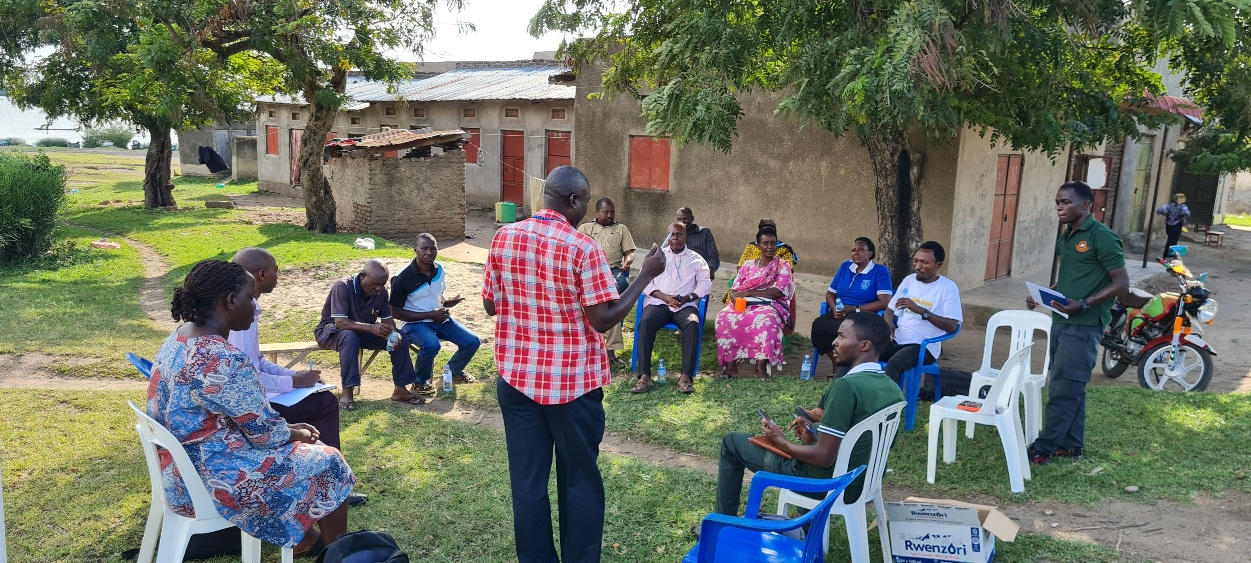
Focus Group Discussion In Lower Kiganda, Katwe Kabatooro Town Council
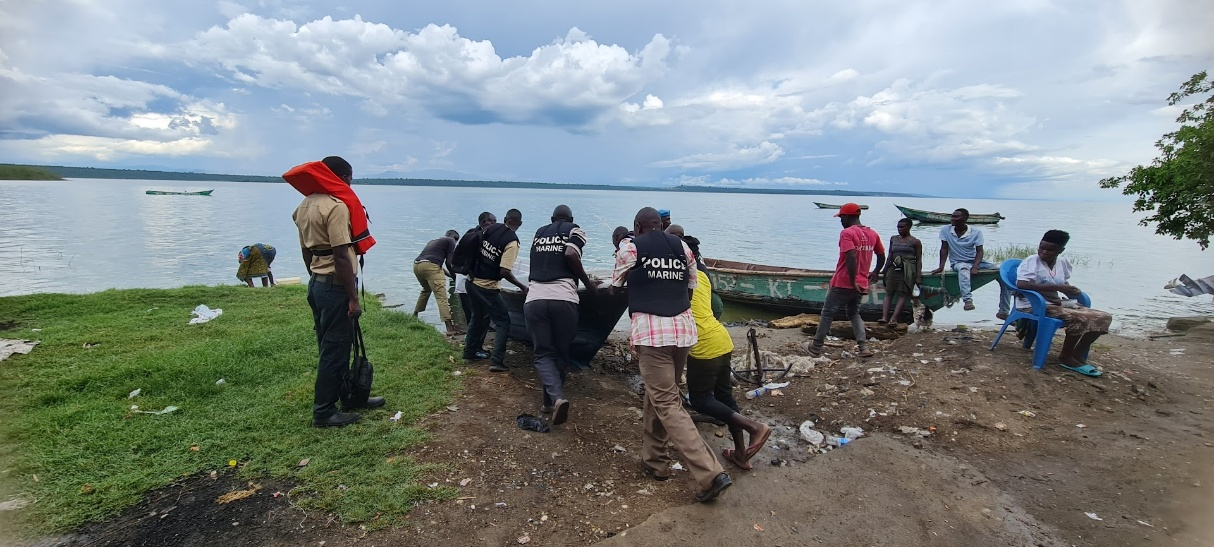
Data Collection at Lake Edward
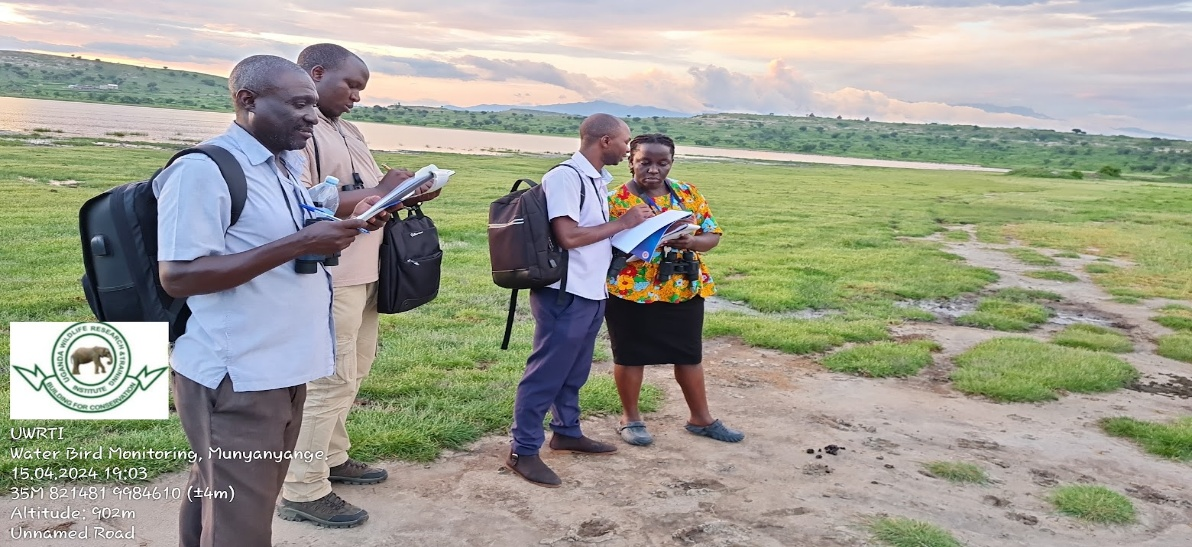
Data Collection at Lake Munyanyange
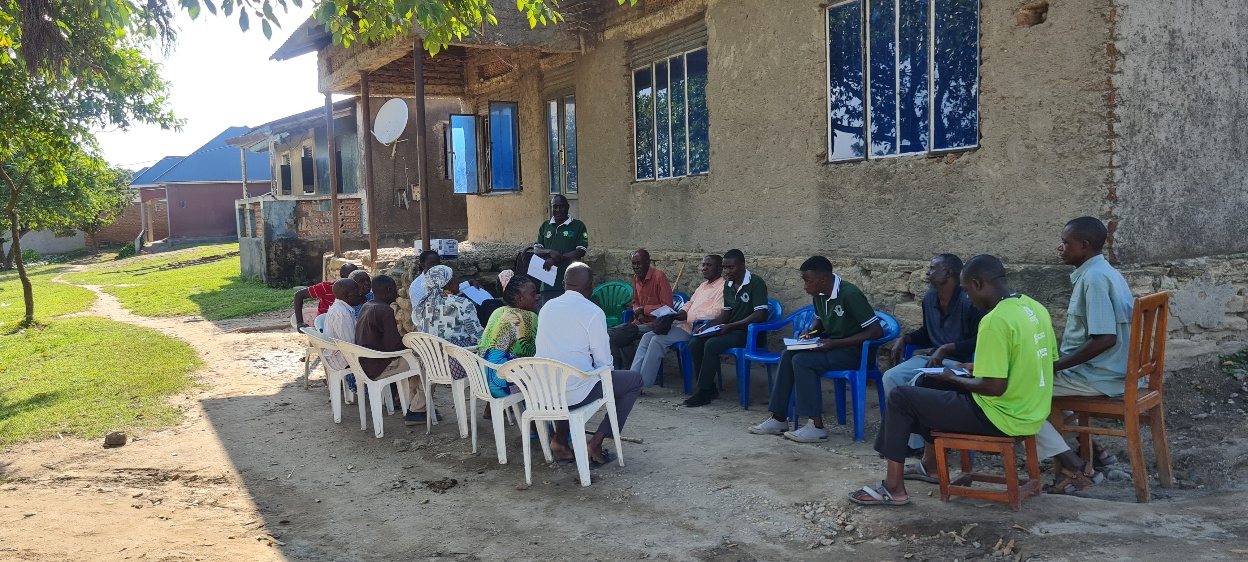
Focus Discussion in Rwejubu Parish, Katwe Kabatooro Town Council